Understanding Functional Strength in Perimenopause
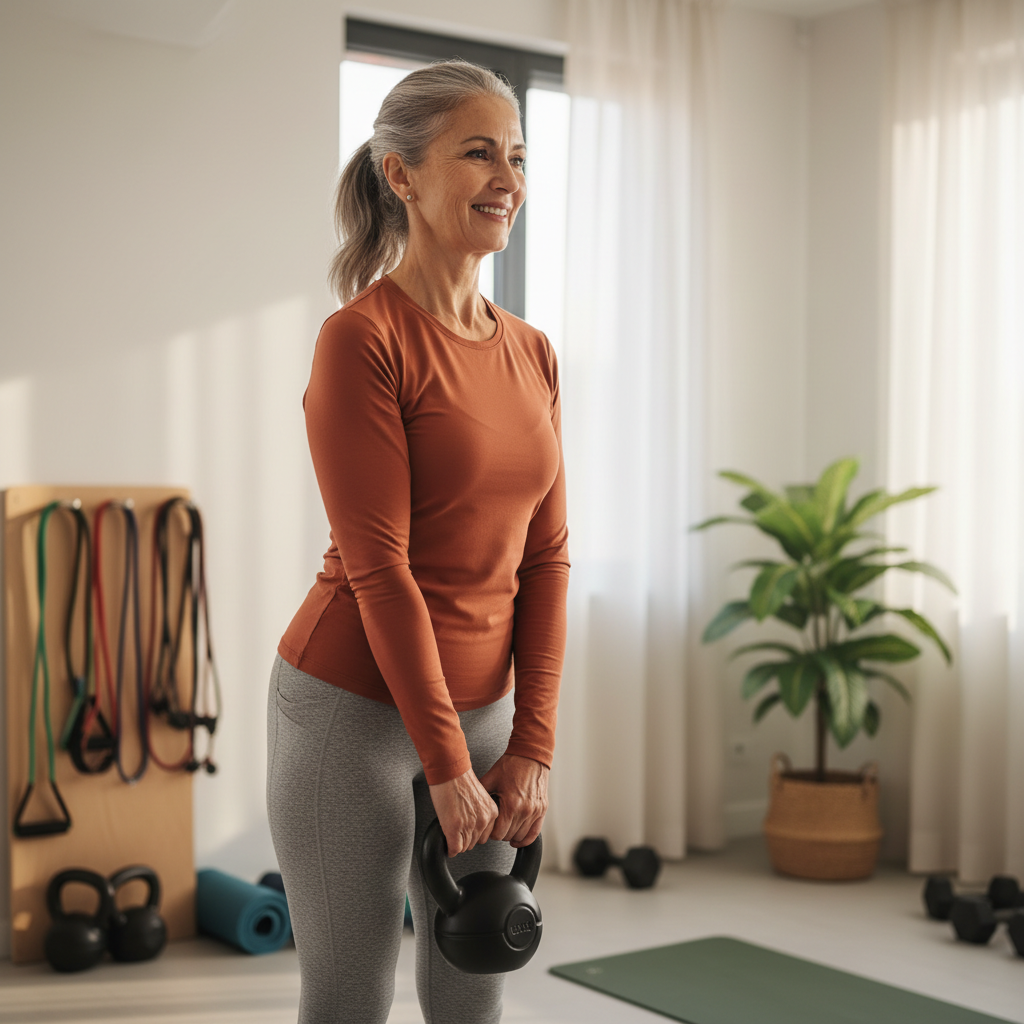
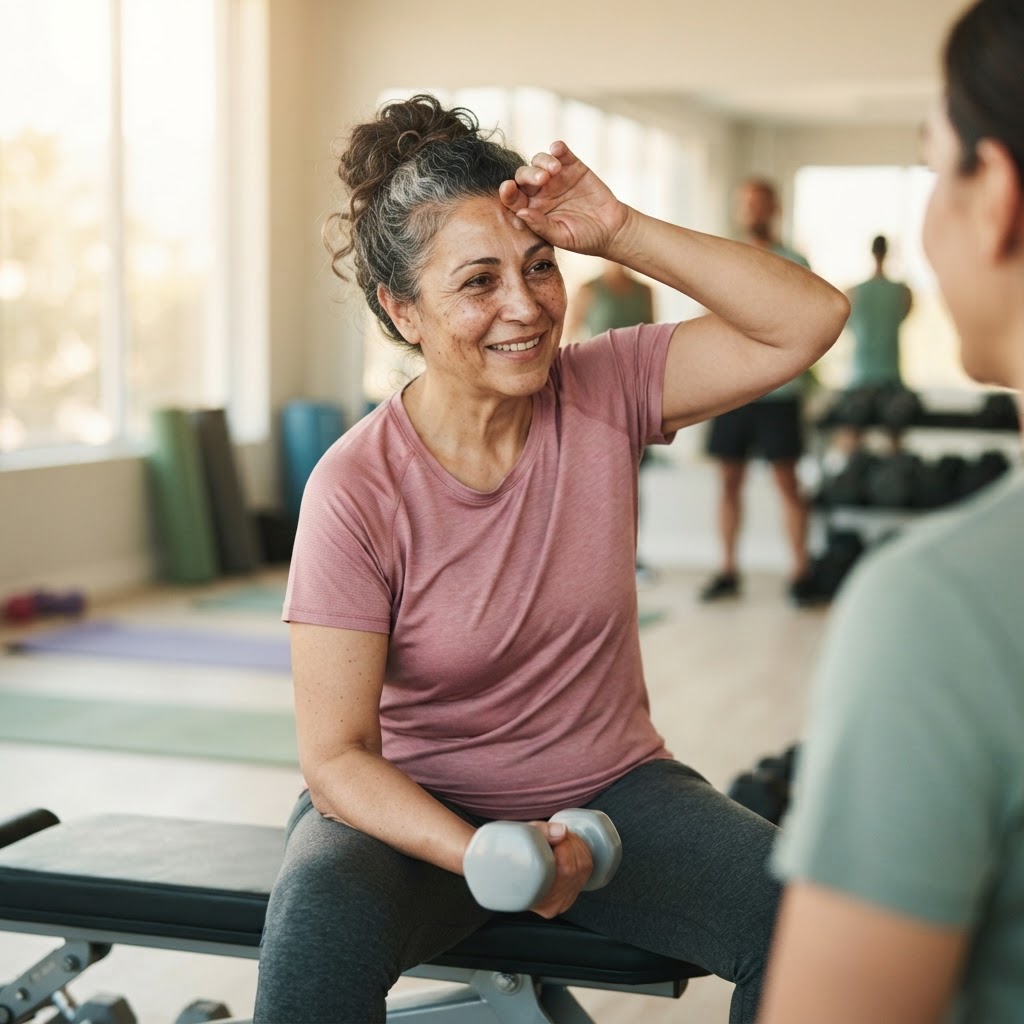
As women enter their 40s and begin to navigate the complexities of Perimenopause, many find that traditional gym programs simply do not cater to their unique needs. This phase of life brings hormonal shifts, energy fluctuations, and often, a newfound challenge in maintaining or building strength. Focusing on functional strength training can be a game-changer—empowering you to reclaim your body and health with movements that reflect your daily life.
Why Traditional Gym Programs Fail Midlife Women
Many gym programs are designed for younger people, often emphasizing high-intensity workouts that may leave you feeling exhausted rather than rejuvenated. In Perimenopause, fluctuating hormone levels can impact your energy, recovery, and motivation. You might find that these high-impact routines lead to burnout or discomfort instead of empowerment.
What you need instead is a fitness approach that embraces your body's changes, respects your energy levels, and focuses on the strength that enables you to perform daily activities with ease.
The Hormonal Case for Resistance Training
Research shows that strength training can significantly benefit women in Perimenopause and menopause, with benefits ranging from enhanced metabolic rate to improved bone density. During this transitional phase, estrogen levels can drop, impacting muscle mass and strength. Resistance training offers a crucial counterbalance, helping to maintain muscle tissue and mitigate weight gain associated with these hormonal changes.
Moreover, strength training can improve insulin sensitivity, support mental health, and even help combat mood swings that may accompany hormonal fluctuations. In essence, lifting weights not only strengthens your body but also offers a sense of control and resilience amidst these changes.
Building a 3-Day-Per-Week Framework for Strength Training
You don’t have to spend hours in the gym to achieve meaningful strength. A well-structured, three-day program can yield significant results and fit seamlessly into a busy schedule. Here’s how you can get started.
Day 1: Upper Body Focus
- Warm-up: 5-10 minutes of light cardio (walking or cycling) and stretches.
- Push-Ups: 2-3 sets of 8-12 reps. Modify as needed by doing them on your knees or against a wall.
- Dumbbell Rows: 2-3 sets of 8-12 reps on each arm. Focus on engaging your core for stability.
- Shoulder Press: 2-3 sets of 8-12 reps. Use a weight that feels manageable yet challenging.
- Cool Down: Stretch your arms, shoulders, and back to promote recovery.
Day 2: Lower Body Focus
- Warm-up: Light cardio and dynamic stretches for the legs.
- Bodyweight Squats or Dumbbell Squats: 2-3 sets of 8-12 reps. Keep your form strong and don’t push beyond your comfort zone.
- Lunges: 2-3 sets of 8-10 reps per leg. You can hold weights if you feel stable.
- Glute Bridges: 2-3 sets of 12-15 reps to activate the glutes.
- Cool Down: Leg stretches to soothe worked muscles.
Day 3: Full Body and Core
- Warm-up: Start with light cardio and whole-body dynamic movements.
- Deadlifts: 2-3 sets of 8-10 reps using light to moderate weights.
- Plank: Hold for 20-30 seconds, build up the duration over weeks.
- Step-Ups: 2-3 sets of 10 per leg. Use a sturdy step or a low bench.
- Cool Down: Focus on core and full body stretches.
Understanding Progressive Overload Principles for Your Energy Levels
One of the foundational principles of strength training is progressive overload—gradually increasing the weight, frequency, or number of repetitions of your exercises. However, for women in Perimenopause, it’s essential to adapt this principle to suit fluctuating energy levels, ensuring that you’re not pushing yourself too hard during low-energy phases.
Listen to your body. If you’re feeling drained, consider reducing the weights or reps and focusing on form. On days when you have more energy, you might increase the load or add extra sets. This flexibility allows you to build strength without risking burnout or injury.
Listening to Your Body Across Your Cycle
Your menstrual cycle can greatly influence your energy and strength levels. During the follicular phase (after your period), your energy may be higher, making it a great time for intense workouts. Conversely, as you approach menstruation, you might experience fatigue or mood changes, which can affect your workout enthusiasm.
Keep a workout journal to track how you feel and perform across your cycle. Identifying patterns will help you plan workouts that align with your energy levels, allowing you to enjoy your fitness journey rather than feel overwhelmed. Remember that why rest days are actually your secret weapon in midlife training applies here too.
Make Empowering Choices for Your Health
Building functional strength in Perimenopause is all about embracing change and making choices that honor your body. By shifting the focus from perfection and high-intensity workouts to strength that carries you through daily activities, you empower yourself to take control of your health.
Working out should feel good. It’s not about fitting into societal standards or achieving unattainable goals; it’s about improving your quality of life. Remember, every effort counts, and every woman’s journey looks different.
A Final Word of Encouragement
As you embark on or continue your functional strength journey, know that you are not alone. Many women share this path, and together we can uplift and support one another. Remember to embrace yourself and your journey with grace and patience.
Join Us for More Support
If you're looking for customized guidance tailored to your unique experience with Perimenopause and exercise, consider joining our coaching program at Wellness Next Step. For further resources, check out our free guide to staying active and healthy during Perimenopause. Together, we can thrive!