Why Your Old Cardio Routine Might Not Be Working
If you feel like the exercise routine that worked in your thirties is suddenly falling flat, you aren't imagining it. As we navigate perimenopause, our changing hormonal landscape—specifically the fluctuating and eventual decline of estrogen—shifts how our bodies respond to stress and movement. Many of us were taught that endless steady-state cardio was the key to weight management, but when it comes to strength training and hormones, the science tells a different story.
The Connection Between Perimenopause, Estrogen, and Exercise
Estrogen plays a massive role in muscle maintenance and bone density. As perimenopause estrogen exercise research highlights, estrogen helps keep our muscles responsive to protein and protects our joints. When these levels drop, we become more susceptible to muscle loss, also known as sarcopenia. This isn't just about appearance; it's about our metabolic health. Muscle is metabolically active tissue, meaning it burns calories even while you sleep. By prioritizing resistance training, you are essentially building a buffer against the natural slowing of your midlife metabolism.
Moving From Stress to Strength
Chronic cardio—long, intense sessions that spike cortisol—can be counterproductive during a time when your body is already dealing with hormonal volatility. High-intensity exercise is a stressor. When you add that on top of the 'stress' of shifting hormones, you may find yourself feeling fatigued rather than energized. Strength training, by contrast, helps improve insulin sensitivity and stabilizes blood sugar, which acts as a powerful lever to keep your mood and energy steady.
How to Get Started Without Overwhelming Your System
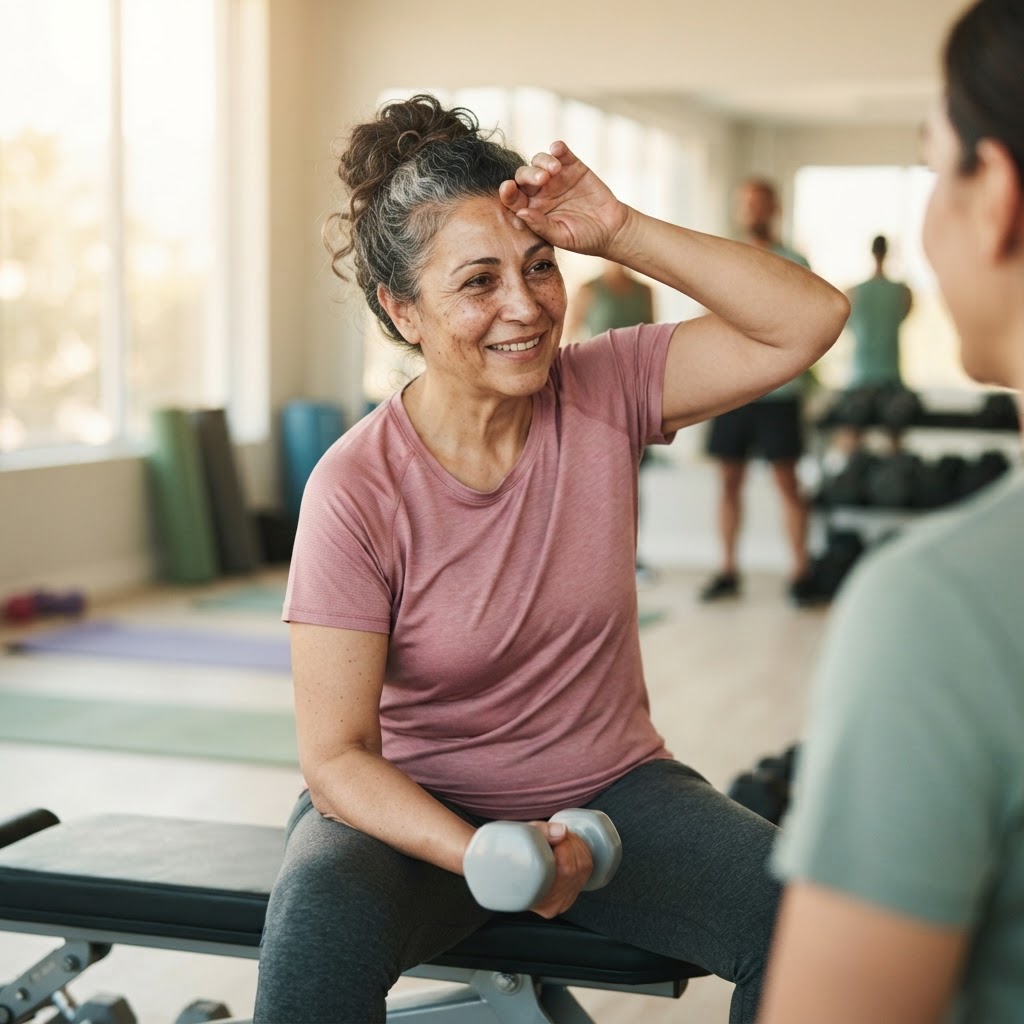
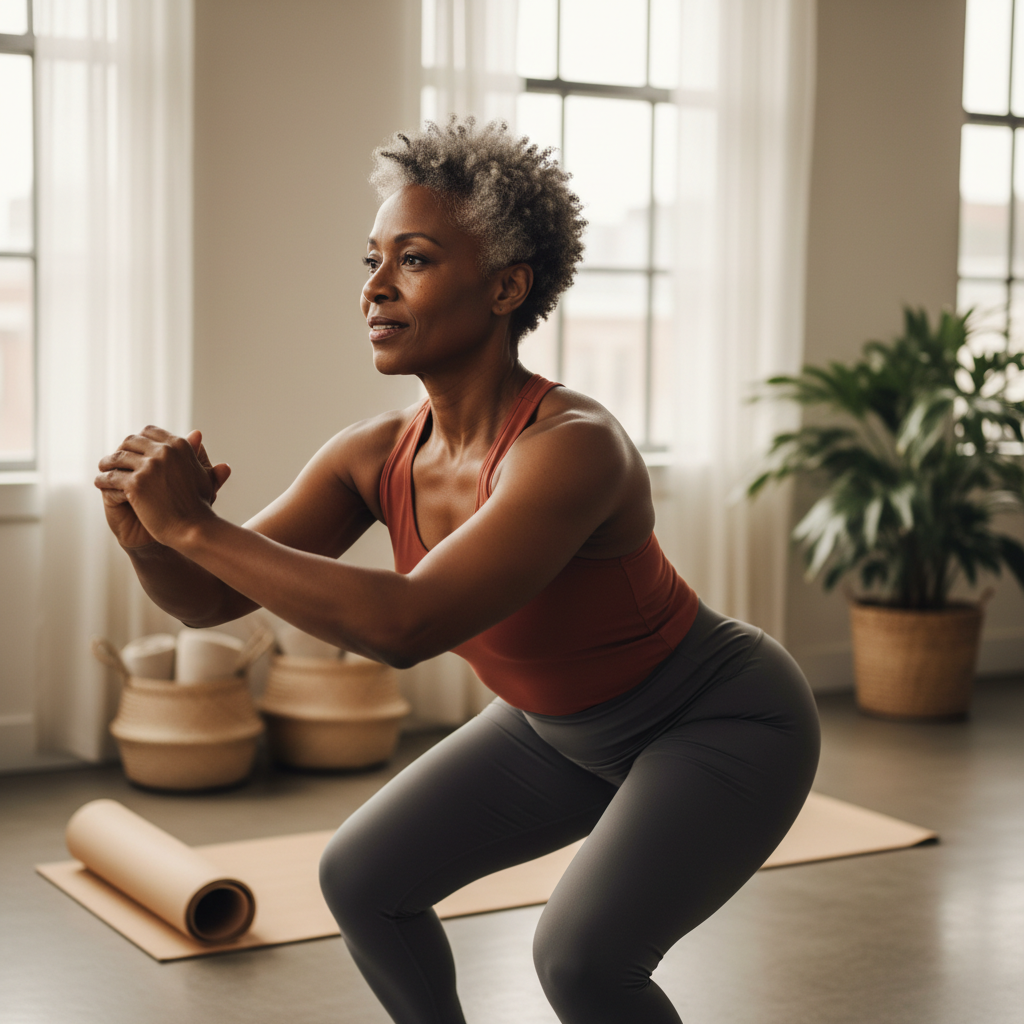
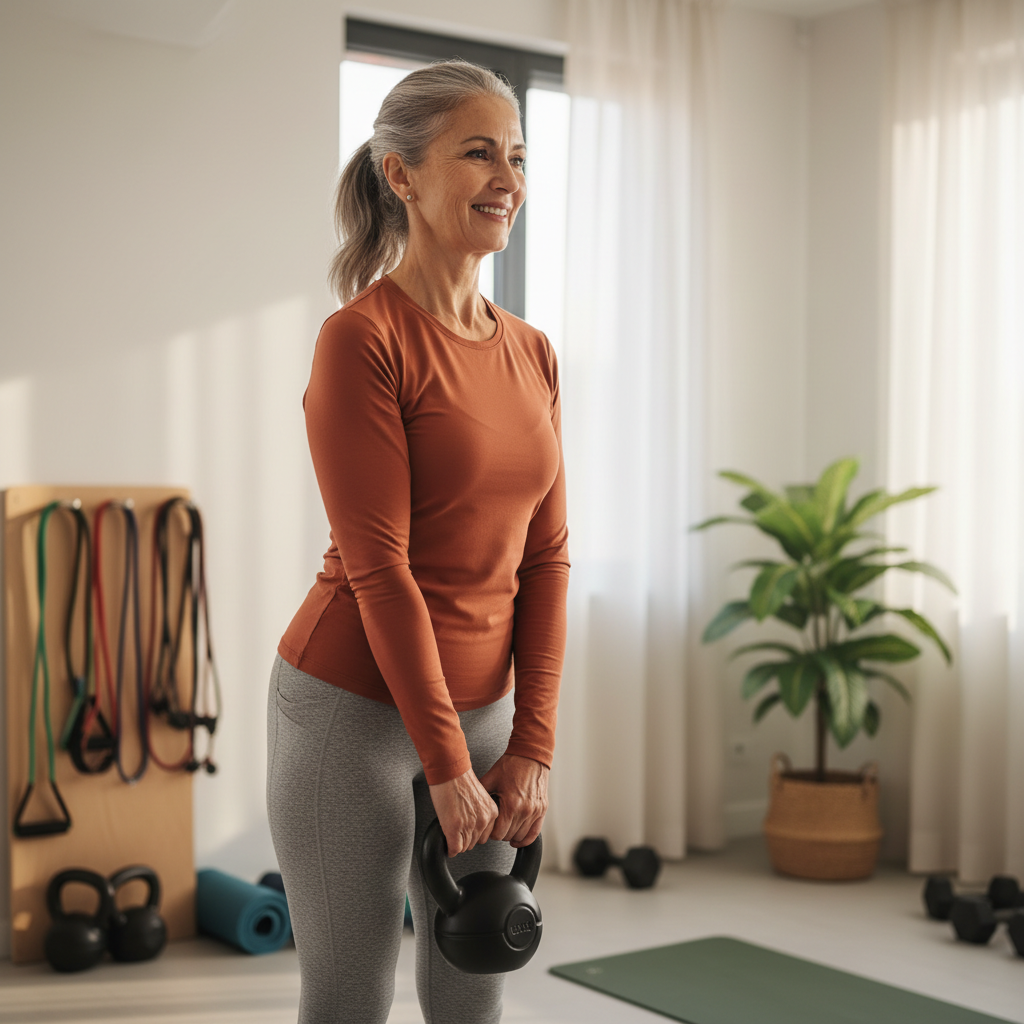
You don't need to live in the weight room to see results. The goal is consistency and stimulus, not exhaustion. Focus on compound movements that work multiple muscle groups at once—think squats, lunges, deadlifts, and presses. These movements mimic real-life function and provide the greatest return on your time investment.
- Start slow: Aim for 2-3 sessions per week of 30-40 minutes.
- Focus on form: Never sacrifice quality for heavier weight.
- Prioritize recovery: Your muscles grow while you rest, not while you train.
- Listen to your body: If you're having a high-symptom week, scale back the intensity.
The Big Picture: Reclaiming Your Vitality
Strength training isn't just a fitness trend; it is a fundamental pillar of healthy aging. By shifting your perspective from burning calories to building capacity, you are making an investment in your future self. You are stronger than you think, and you have more control over your transition than you’ve been led to believe.
Ready to take the next step in your wellness journey? If you’re feeling stuck or exhausted by the confusing cycle of midlife symptoms, I invite you to download my free Sleep & Energy Reset Guide, designed specifically for women navigating these shifts. You can also book a discovery coaching call with me to create a personalized plan that supports your hormones and gets you feeling like yourself again.